Why Komodo is world-class
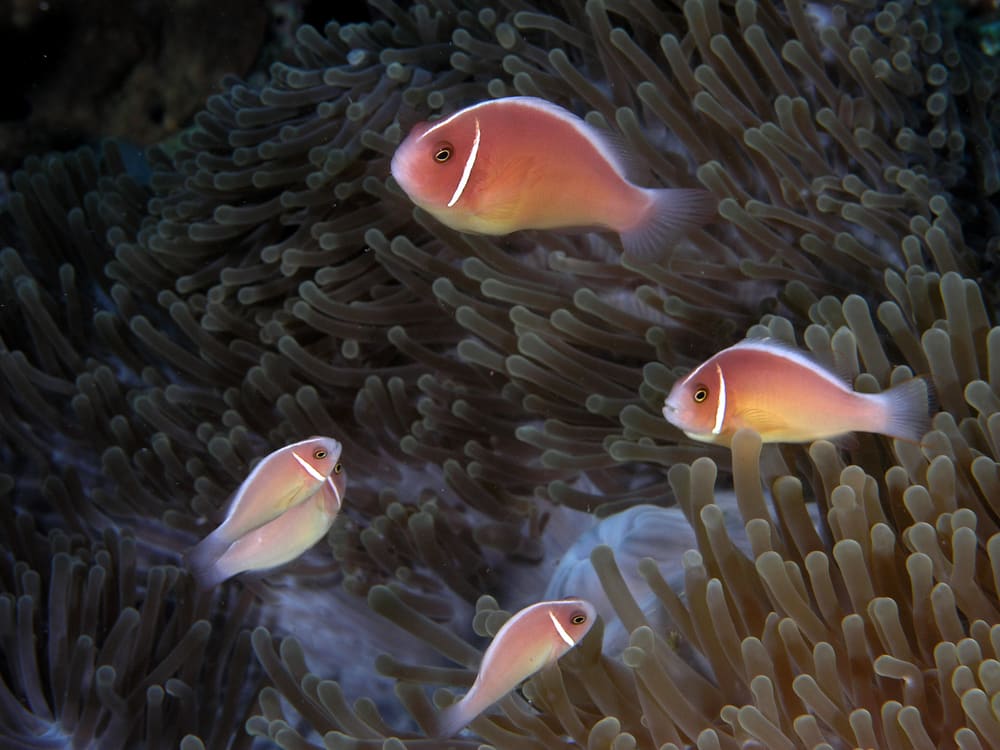
The park’s straits funnel water between the Pacific and Indian Oceans, creating strong currents full of nutrients. The result is an explosion of life: more than 1,000 species of fish, around 260 species of reef-building coral, manta rays, sharks, turtles, dolphins and a wealth of macro life for photographers.
Those same currents make Komodo diving exciting and sometimes demanding. Many sites are best for experienced divers, but there are plenty of sheltered reefs for beginners, try-scuba students and snorkelers.
The best dive sites
| Site | Area | Highlights | Level |
|---|---|---|---|
| Batu Bolong | Central | Pristine coral pinnacle, huge fish life | Intermediate |
| Manta Point (Karang Makassar) | Central | Reef manta rays, drift dive | Intermediate |
| Castle Rock | North | Schooling fish, sharks, big currents | Advanced |
| Crystal Rock | North | Clear water, colourful soft corals | Advanced |
| Shotgun (The Cauldron) | North | Exhilarating channel drift | Advanced |
| Siaba Besar (Turtle City) | Central | Turtles, calm and shallow | Beginner |
| Tatawa Besar | Central | Gentle drift over coral gardens | Beginner–intermediate |
| Cannibal Rock | South | Colourful macro, frogfish, cold upwellings | Intermediate |
| Manta Alley | South | Mantas in cool, green water | Intermediate–advanced |
The best snorkeling spots
- Manta Point — drift over manta rays from the surface.
- Pink Beach — coral gardens right off the pink sand.
- Siaba Besar — shallow, sheltered reef with resident turtles.
- Kanawa Island — easy snorkeling around the jetty.
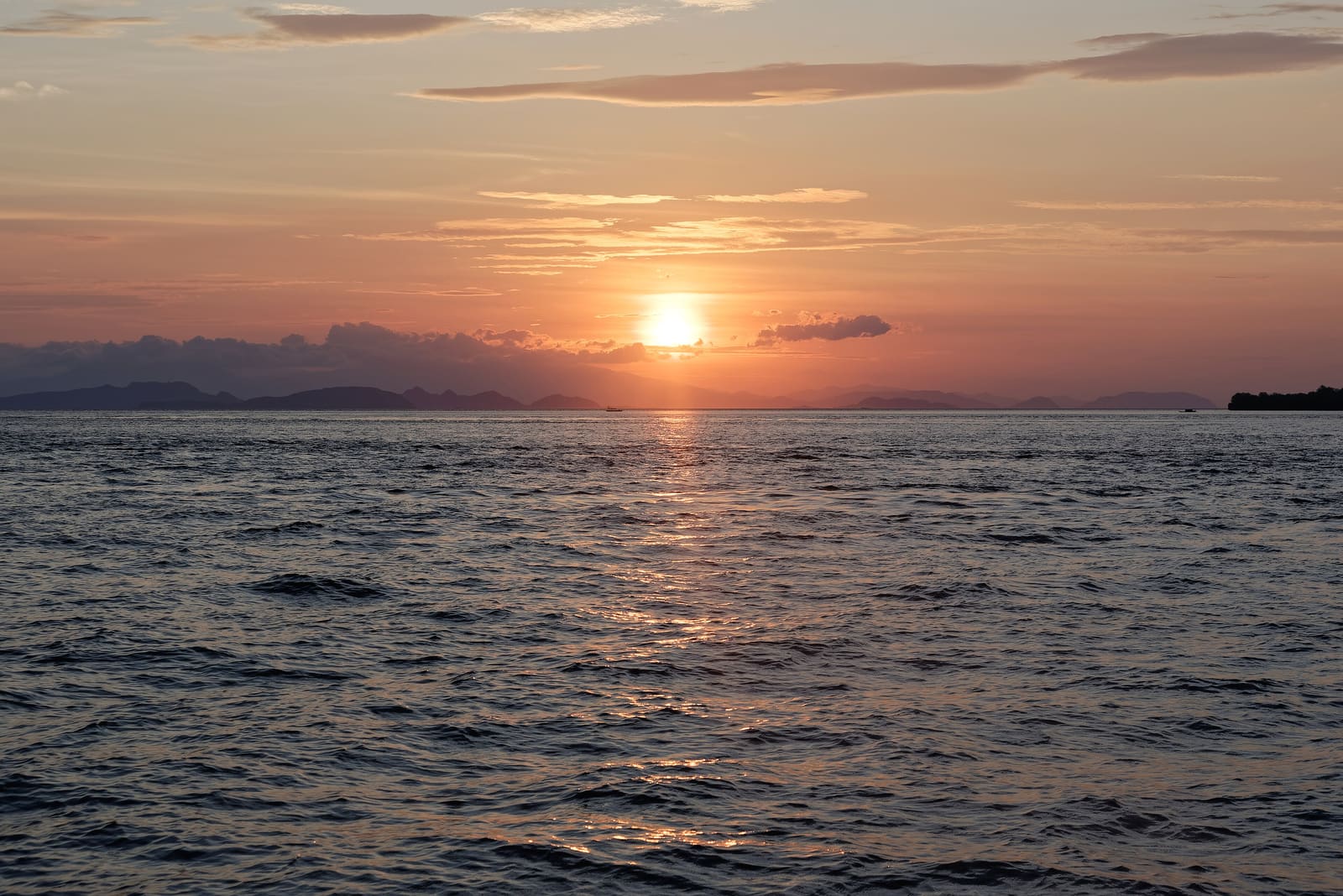
- Manjarite — colourful reef close to Labuan Bajo, great on sunset trips.
- Taka Makassar — turquoise shallows next to the sandbar.
Never dived before?
Komodo is a fantastic place to take your first breaths underwater. Try-scuba (Discover Scuba Diving) days start with a briefing and shallow practice, then a guided dive over sheltered reef to a maximum of about 12 metres. Several dive centres in Labuan Bajo also run full open-water courses over three to four days.
Day trips vs dive liveaboards
Dive centres in Labuan Bajo run daily trips with two or three dives to the central sites; this is the most flexible option. Dive liveaboards of 3–7 nights reach the remote north and south and let you do three or four dives a day.
Non-diving companions can often join dive boats to snorkel at the same sites — ask when booking.
Safety tips
- Dive within your certification and experience — currents can change quickly.
- Always carry a surface marker buoy (SMB); good operators provide one.
- Snorkelers should wear fins and a life vest in current.
- Check that your insurance covers diving and medical evacuation.
- Do not fly within 18–24 hours after your last dive.